

Why Whimsy works
Whimsy is no joke. It isn't simply an aesthetic trend, it represents a different model of attention built on curiosity and memorability rather than immediate reactions.

This post is part of our Guest Writer series, EXTENDED THINKING, where we invite the most compelling writers, strategists, and thinkers out there to give us their best takes on culture. This week, we are having an essay by strategist, semiotician, and writer Rumi Josephs.
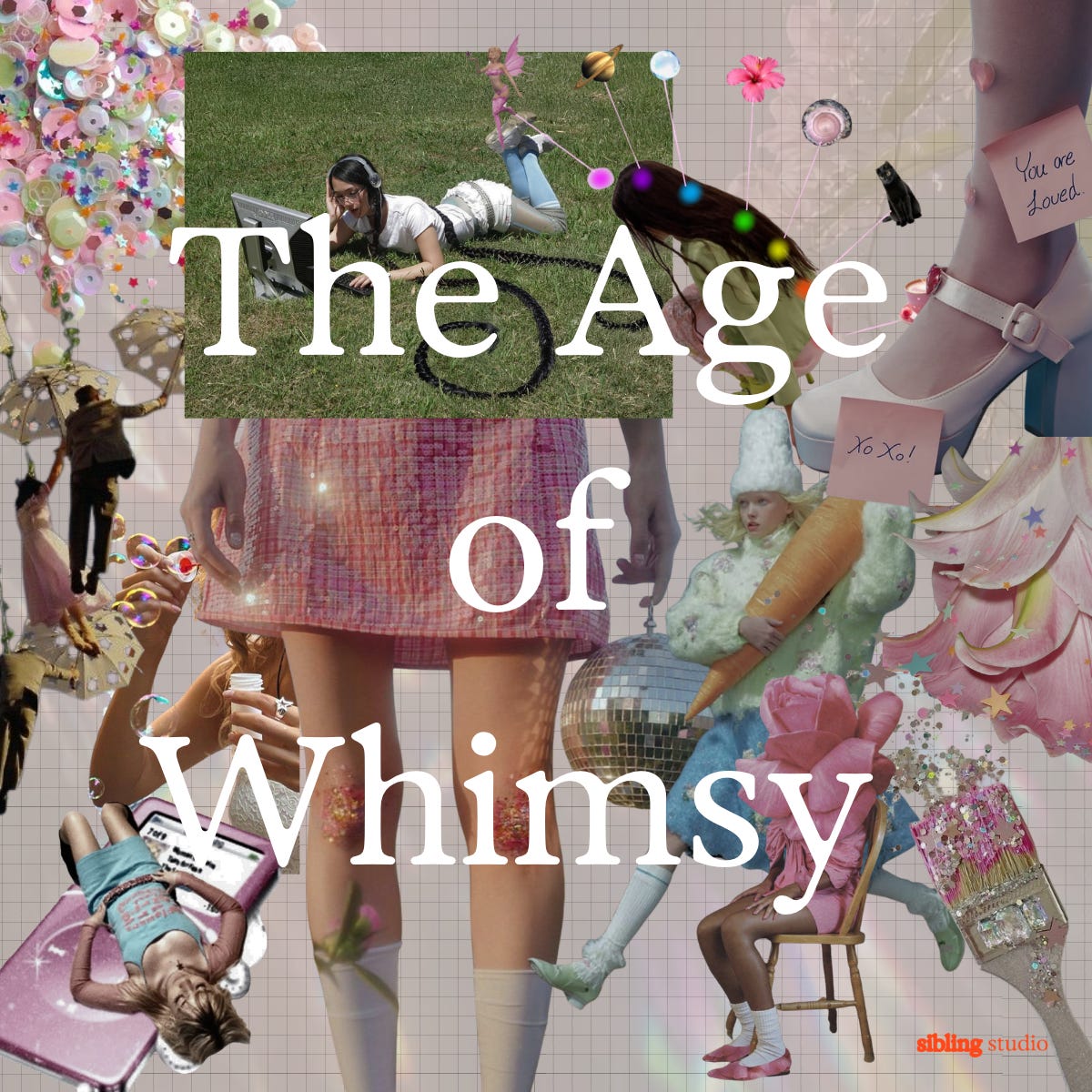
Have you been seeing a lot more whimsy in your feed recently? Luxury in particular seems to be taking lighthearted oddity very seriously. But whimsy isn’t just another aesthetic trend. There’s a disarming quality to the whimsical that makes viewers stop and pay attention, just not in the ways we’re used to. This is a different model of attention. Rather than behavioural manipulation, vague hooks invite investigation.
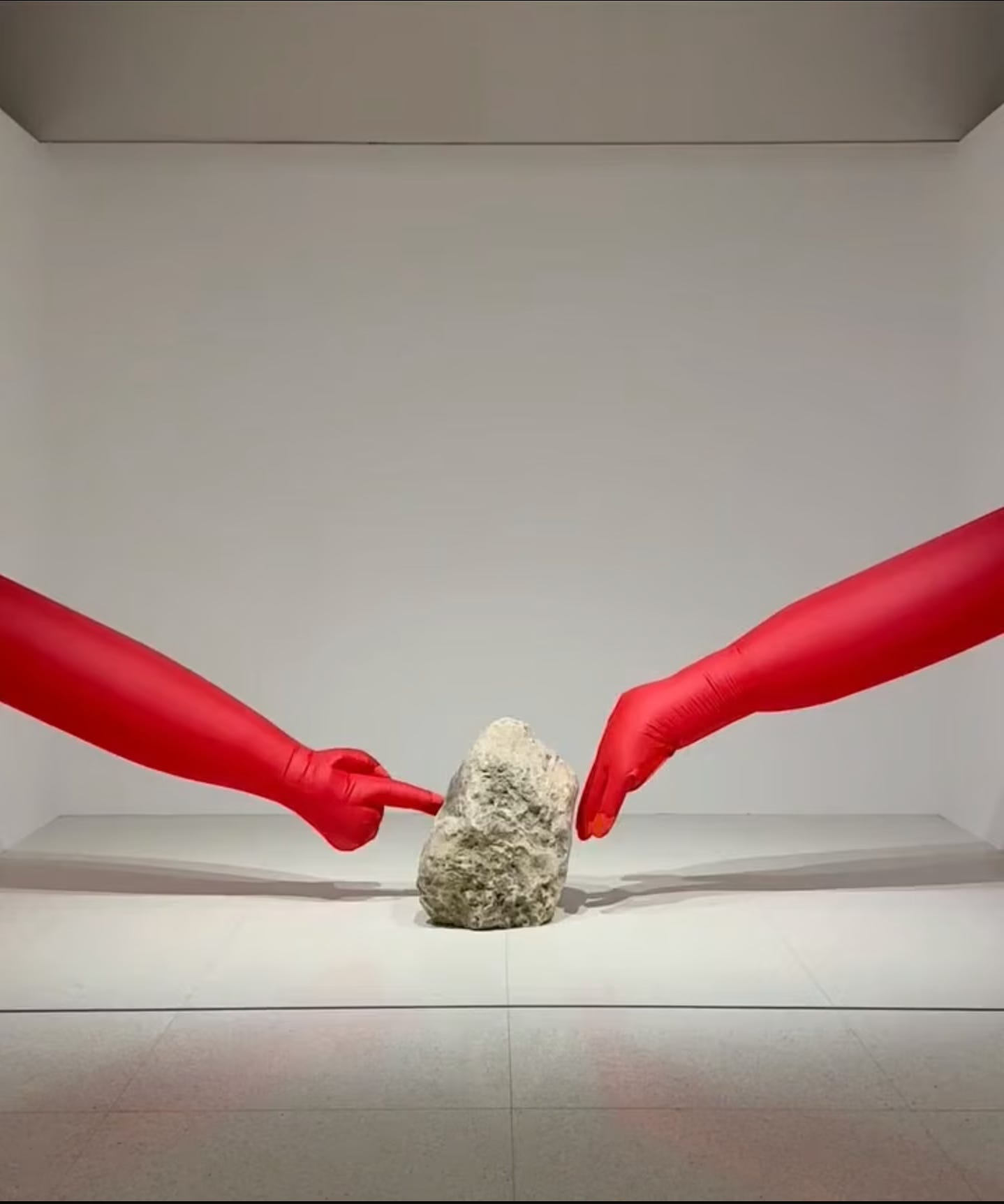
We know marketers increasingly compete for attention by hijacking our reward systems through outrage, exaggeration, disgust, and dopamine. Much of contemporary content is built on the assumption that people don’t want to watch it, but they will if you grab their limbic brain and squeeze it like a lemon. Katie Robinson (refashioned) explains why whimsy is different:
“…did it immediately prompt me to open Depop and try to source the same skirt? No. But it stuck in my mind, it felt like a breath of fresh air, and I remembered it after I closed the Instagram app, and that is maybe a more rare transaction.”
That kind of transaction opens up the possibility for a much deeper level of connection.
The “anti-algorithm” section of the strategy deck has become a familiar one that every brand knows it needs to address, but what does this actually mean when neither audiences nor brands have any control over how the algorithm operates or how platforms choose to monetise content? It’s hard to put into action when “what success looks like” is still to win attention and numbers. Doesn’t refusing to play by the rules just mean sinking without the KPIs?
HARD RECOMMEND:
I think we have already seen many examples of how breaking the rules of attention actually results in much bigger payoffs. In the blog era, writers couldn’t be promoted, put on a FYP, or have views turned into revenue. Discovery came through hard recommendations. However, the experience for producers and users was profoundly rewarding. The discovery was genuine, the media was social, and the culture that developed around it has stayed meaningful for users to this day.
Instagram released a long statement criticising algorithms (to make it seem like it’s not their fault) because they know “discovery” now means never seeing what you want, while “social” and “community” now mean being stuck inside a “never-ending supermarket” carousel. Sometimes the content is the product; sometimes you are. Whimsy is gaining popularity because it specifically does not work like this. So how does it work?
RELATABLE INTIMACY:
Whimsy is a well-chosen word because it’s not really about humour or being funny. It’s about giving a soft landing to hard ideas. It has emerged out of an internet language of ironic relatability — to begin with — as a way to speak about difficult personal subjects like trauma, relationships, neurodivergence, and mental illness. Therapy-speak has become too earnest and serious, and people quickly realised that trying to optimise your happiness actually made you less happy. After optimisation fatigue, what audiences really want is some levity and brands that are offering to hand them their enjoyment back. Whimsy and oddity give back a much-needed feeling of curiosity to audiences who feel like they already know what to expect from brand marketing.
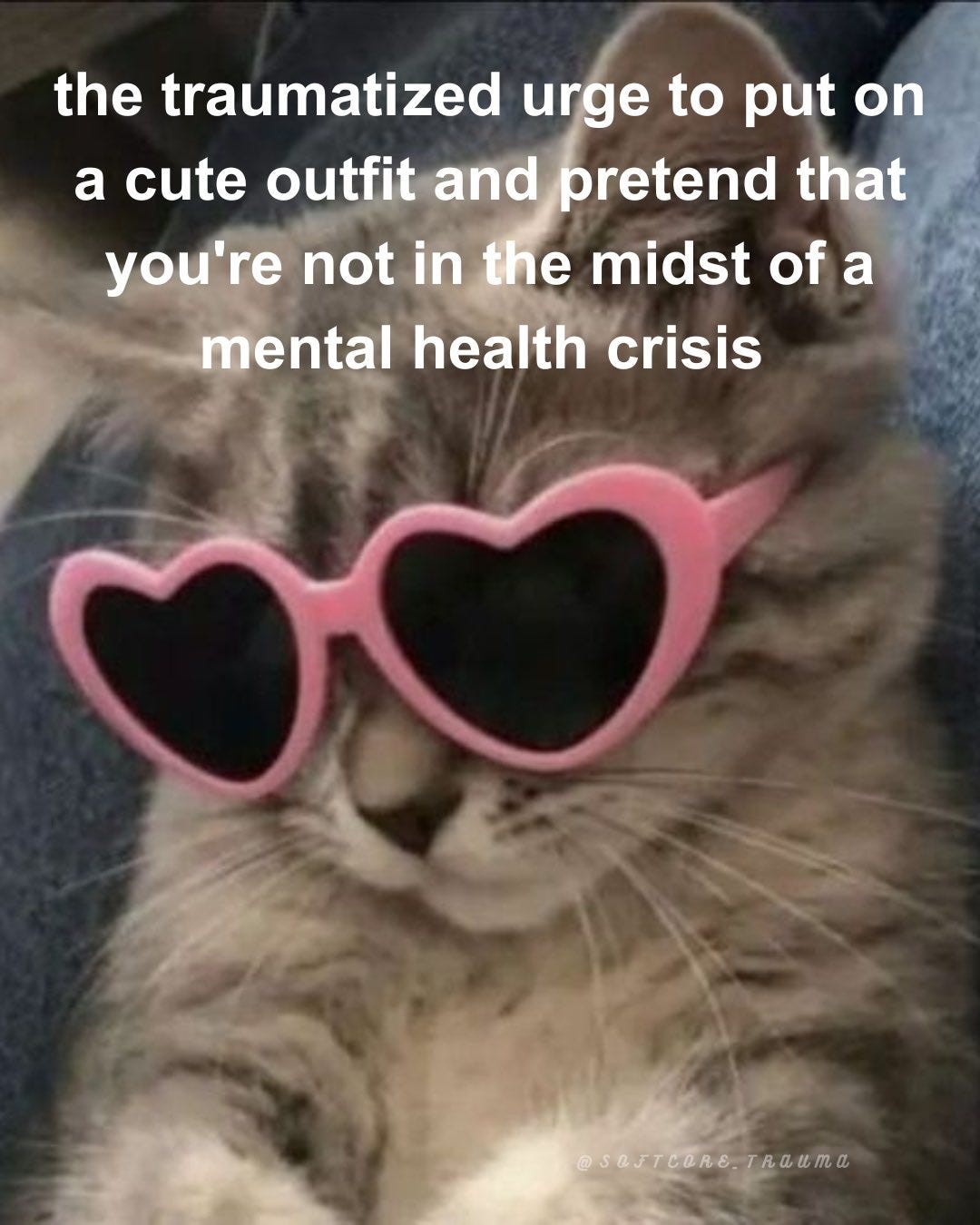
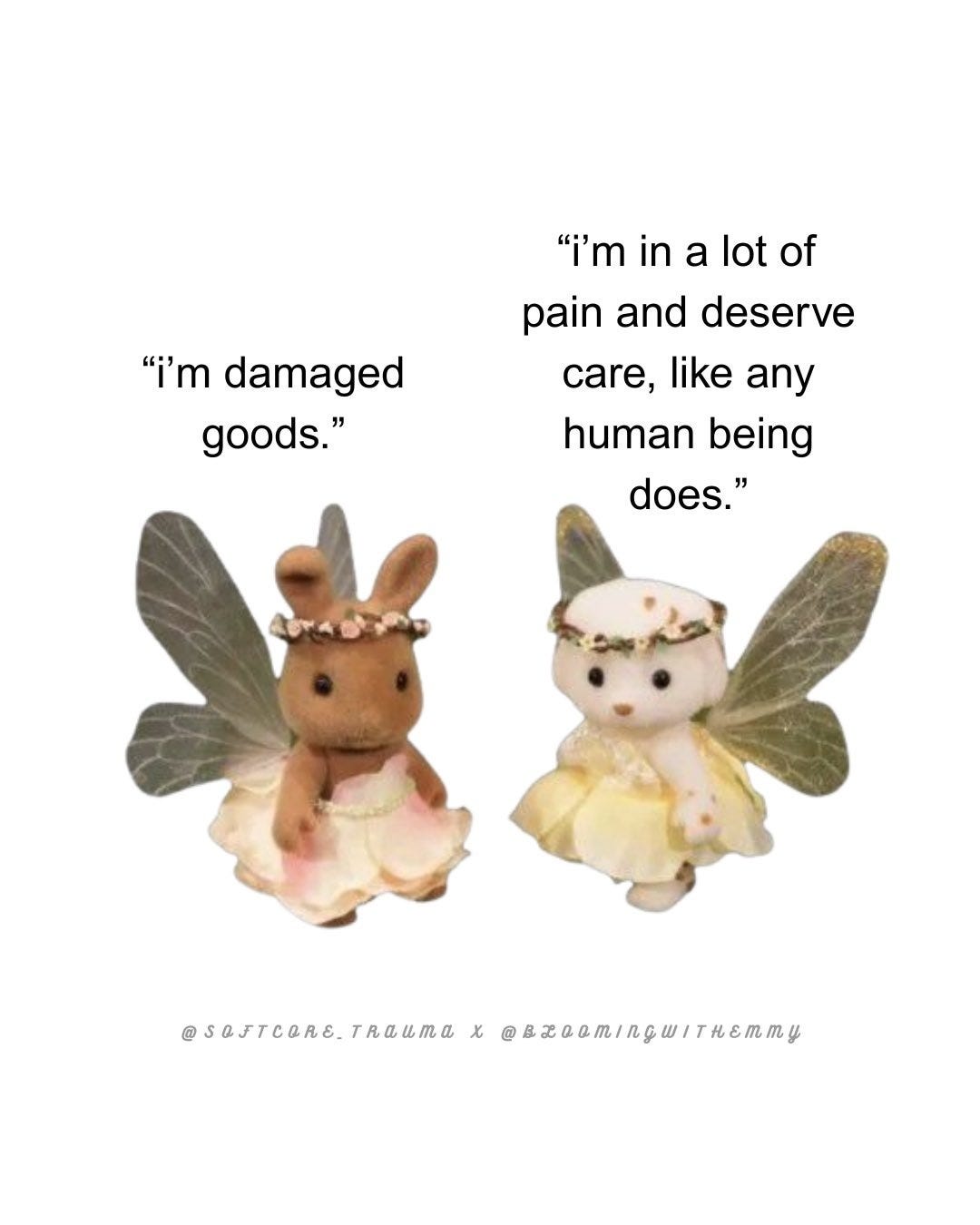
“Felt cute might have a mental breakdown later” has become a formalised way of communicating on the internet. The recent Bricks Magazine post: The World is on Fire But We’re Still Buying Plastic Jelly Shoes (a reference to Alec Leach’s book with a similar name) perfectly sums up why whimsy is linked to increasing global financial, ecological, and political trauma.
What if we see whimsy as a coping mechanism for fear and anxiety — one that helps us avoid simply falling into a feeling of helplessness but is buoyant enough so that it doesn’t stop us acknowledging the very real problems we face. Instead of denial and depression, whimsy makes it okay for us to speak about trauma. Suddenly, that language becomes high-value social currency for brands because, amongst numerous competing ways of communicating online, that particular way becomes the one that flows with the least resistance. It’s like opening the floodgates.
Whimsy has strategic direction; it just takes the scenic route. Most marketing wants to arrive at its point as quickly as possible, but the detour is where the emotional attachment is formed. Instead of: “if it didn’t get a like, did it really happen?” whimsy has something that an audience takes away from the content and continues to think about: making the brand occupy priceless real estate in the mind of the consumer.
Whimsy relieves a certain amount of anxiety in the mind of the audience, allowing them to give up some control and enjoy the journey the brand is going on. It’s the idea that the brand might actually be fun rather than require serious cultural homework. This makes whimsy sit in an odd relationship to taste because whimsy is confectionery: a guilty pleasure. Each example of whimsy is also in some way an example of bad taste. The trick is that it permits us to see bad taste as excessively good taste with absolutely no apologies. (Hasn’t bad taste always been this?) Bad taste is something uniquely relatable, and it’s something an algorithm can’t comprehend, which currently makes it extremely culturally valuable.
METALLIC TASTE:
There is, of course, a massive renaissance in taste going on, which we can see as a response to machinic decision-making. Only the unpredictable excitement of human taste is cutting through. Quirkiness and “bad” taste are exciting because they can’t be analysed down into something rational or explainable. There’s no dataset that allows an LLM to understand gloriously trashy bad taste.
Many have noticed that taste has suddenly become important for the tech billionaire elite class — somewhat bafflingly so for an elite group who have traditionally had a sociopathic aversion to fashion or culture in general. Having “no taste” signalled that you were not concerned with superficial things, only with coding and money. Now they’re in the front row of the catwalk, looking awkward but feeling it’s somewhere they deserve to be.
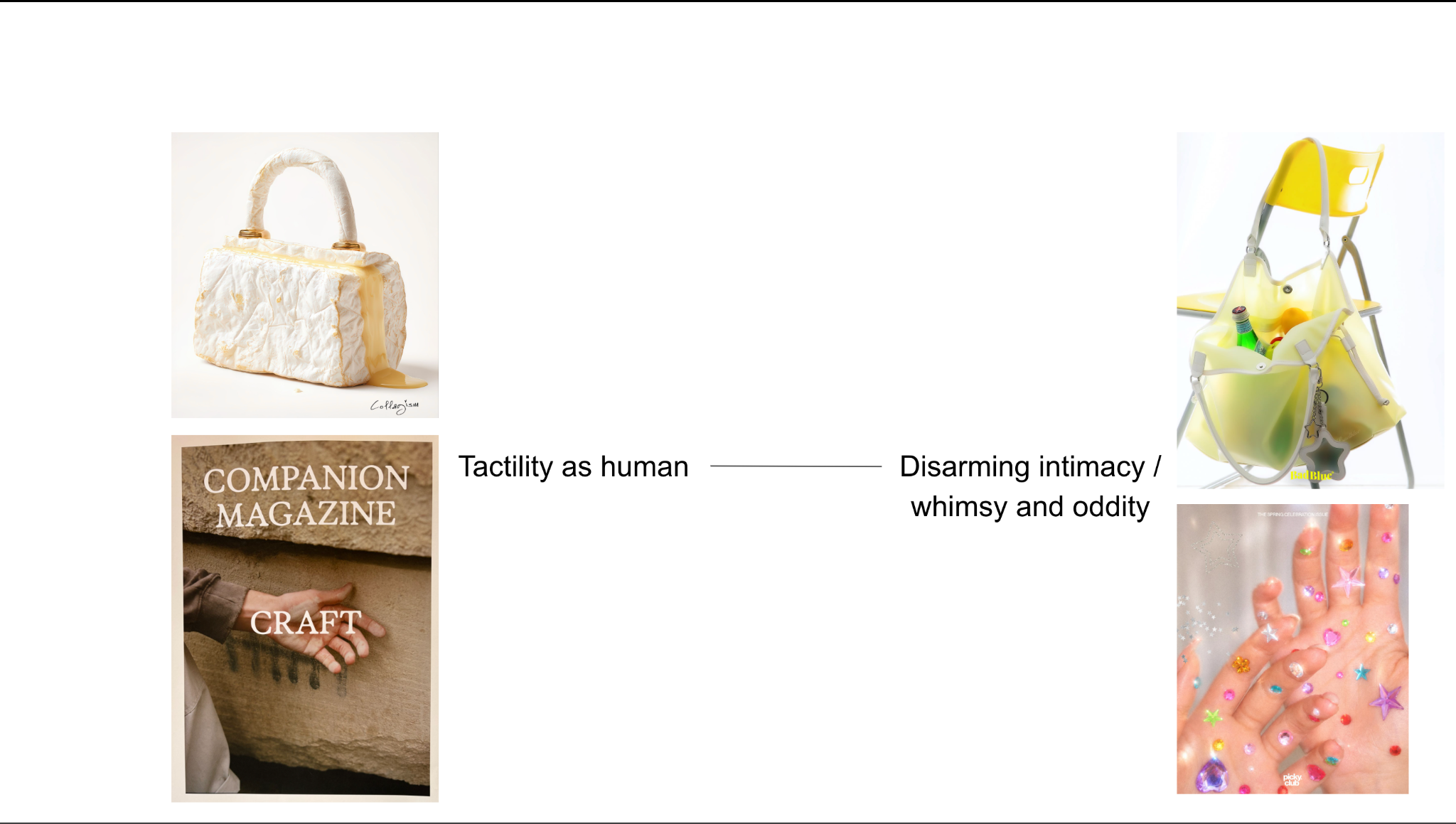
The ease with which aesthetics can circulate and be reproduced means that anything outside of machinic decision-making taste is immediately interesting. For instance, adding whimsy shifts “tactility” that signalled human touch to the oddity of “edible gourmand,” which is weird enough to hit the spot. Whimsy has become culturally valuable; cuteness sits at the heart of its delivery. Cuteness is the way whimsy arrives. Not as an aesthetic in itself, but as an affective interface that lowers our defences before we’ve had time to decide how we’re supposed to feel.
UwU; CaaS (Cuteness as a Service):
In her recent AKSIOMA publication, Sophie Publig explains:
“Cute aesthetics operate here as an affective interface, not as decoration but a soft form of governance where receptivity precedes agency. The alluring pastel softness and baby-faced iconography make resistance difficult; one does not simply scroll past cute - one is quite literally absorbed by it. However, not everything that looks cute actually is cute… All of this operates under the paradigm of post-irony… Psyops become performance art, irony stacked upon irony until its foundation gives way.”
Publig’s dazzling piece is speaking about delivery and message, which no longer need to align. Cuteness can carry any message, either serious or light, maximal or minimal. Something about cuteness has made it one of the internet’s most effective delivery mechanisms. Coming back to the Katie Robinson quote we started with, now it seems like she’s identifying a shift from “look at this!” to “what is this…!?” The odd, whimsical delivery device changes the stakes of attention from interruption to investigation.
For the last decade, brands have optimised for interruption. The next decade may belong to brands that optimise for curiosity instead. Whimsy isn’t valuable because it’s cute or eccentric. It’s valuable because it changes the mechanics of attention itself, from grabbing attention to making brands impossible to forget.
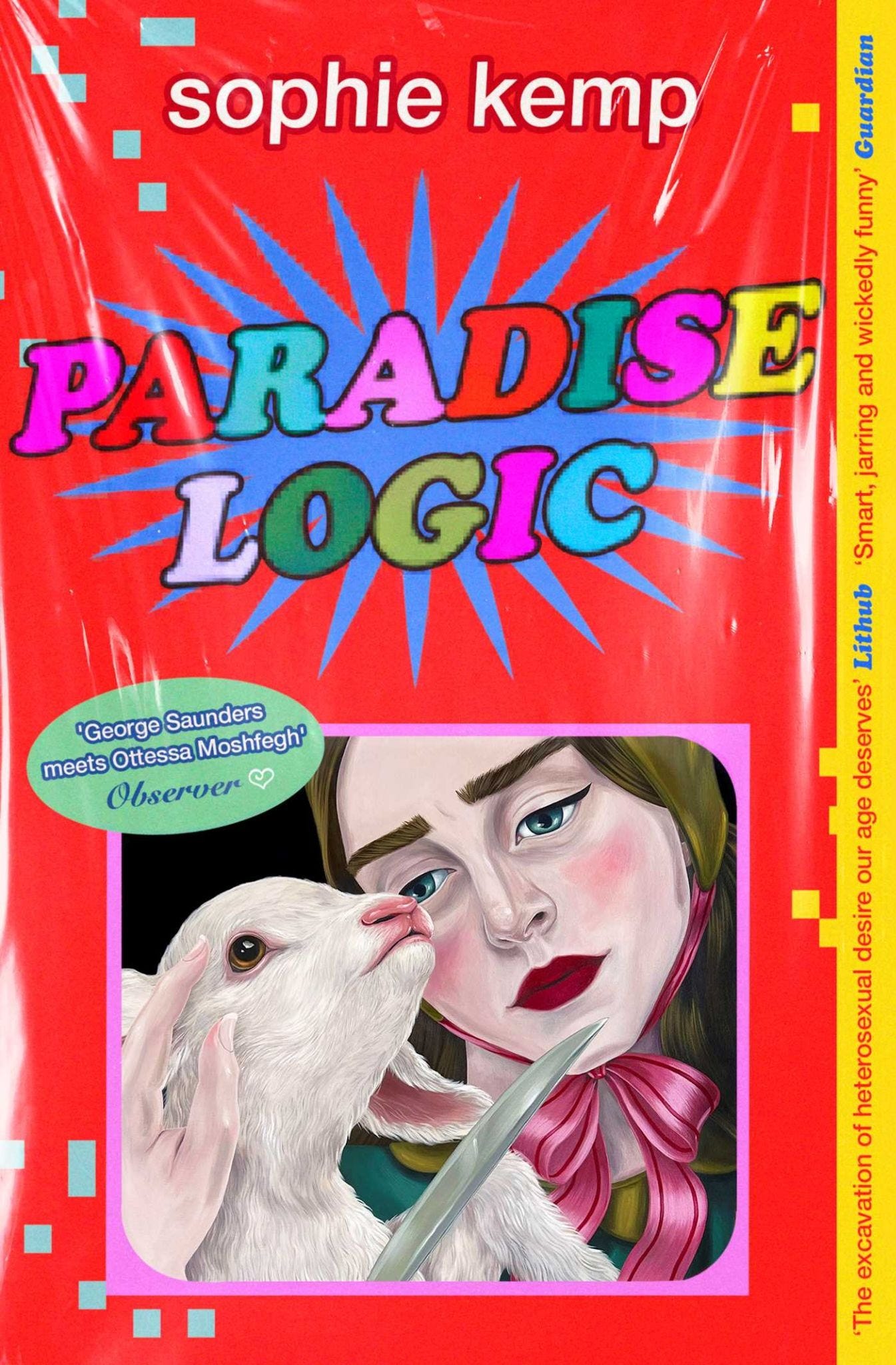
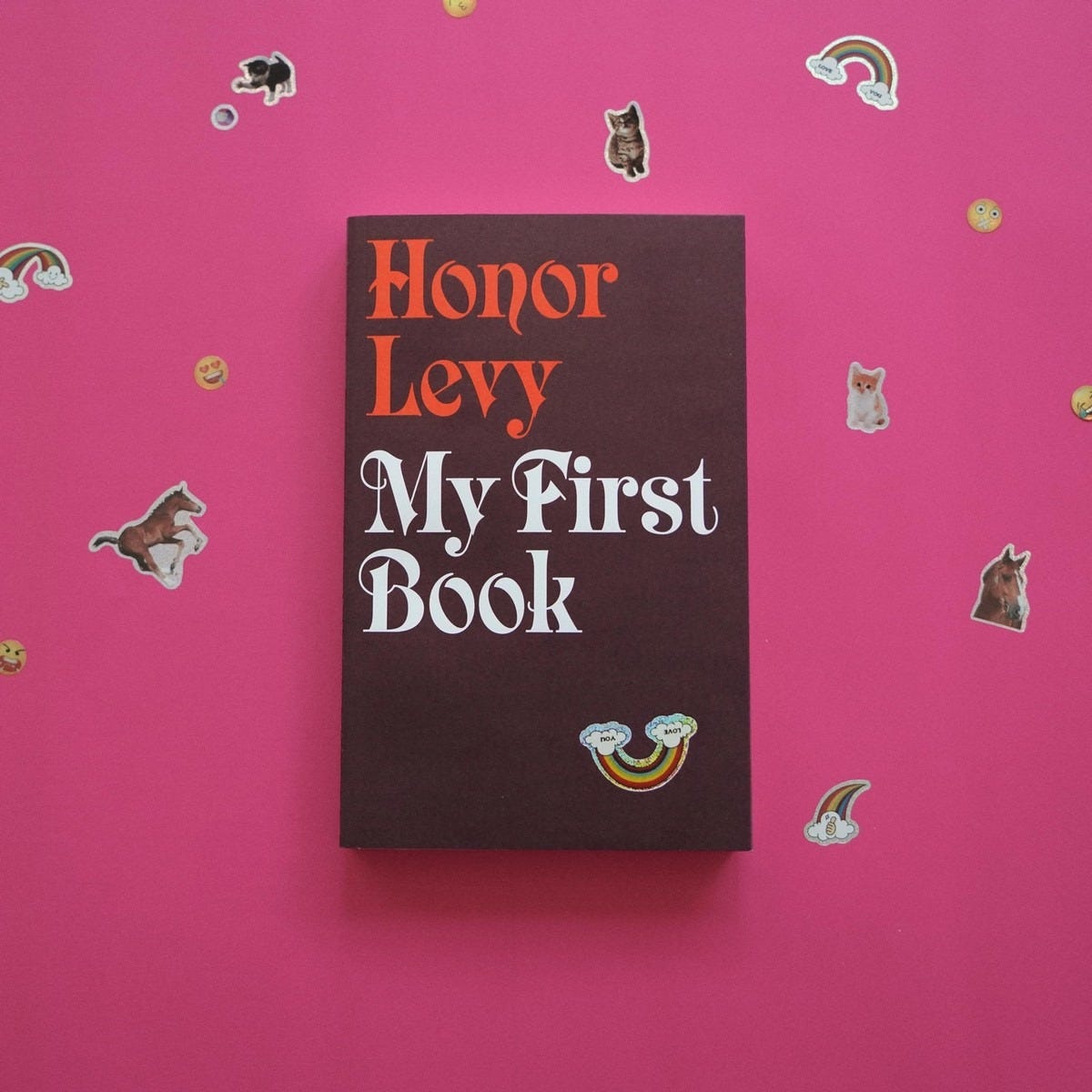
You can find Rumi on LinkedIn.
I love this piece for the many examples in current branding it highlights! I can’t help of thinking of a few recent examples I’m seeing of this same theme executed in social content also.
A few months ago, I saw an Instagram post from Pamela Anderson - a carousel of pictures of her beaming from ear to ear, jumping on the bed, and hugging a tree, etc. The caption being “Never lose your whimsy 🤍”. Without a second thought, I immediately pressed repost. I remember feeling this essence of lighthearted fun, even if I was just seeing it through my phone. https://www.instagram.com/p/DU8twBXjxLq/?igsh=MXg5OXlmd3h4eXQ2NA==
Just another reference of this in mainstream social activity is Kylie Jenners most recent birthday party theme: all pink, feathers, and the nostalgic sticky colorful gems I would put all over my childhood bedroom walls growing up. It made me think of the time growing up my sister and I would play dress up. https://www.instagram.com/p/Db1au5pkkAs/?img_index=4&igsh=bTZ4YTBhcTBqMGg2
Ironically, after reading this article, I opened TikTok and one of the very first videos that I scrolled to was the below. Whimsy is really all around ✨🫰https://www.tiktok.com/t/ZTAEGkYBp/