

In Focus: Detty December
A cultural moment at its inflection point?

Every December, people from the African diaspora return home to cities like Lagos, Accra, Abuja and Port Harcourt. For a few weeks, these cities become global hotspots for music, fashion, nightlife and culture. The month, now widely known as Detty December, is packed with concerts, parties, raves and reunions. It’s not a public holiday, but being outside, reconnecting and celebrating becomes the point of the season.
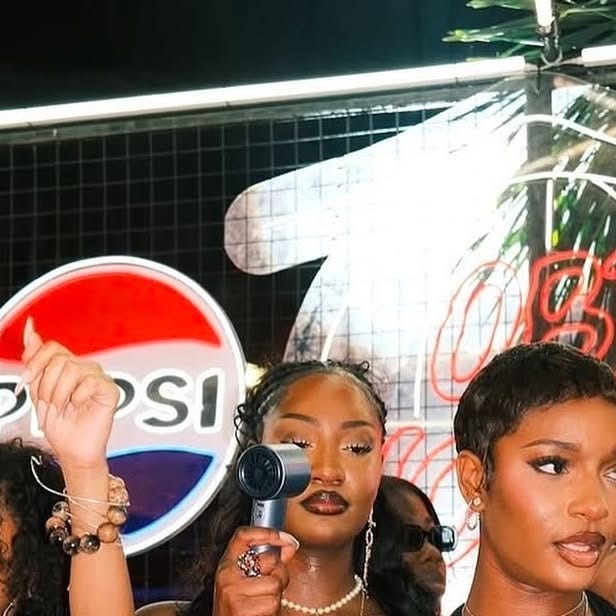
For a long time, Detty December lived more in feeling than in structure. You showed up. You ran into people. You stayed out longer than planned. But over the past year, something has shifted. We haven’t experienced Detty December first-hand, but it crossed our radar as something that felt unmistakably big, meaningful and culturally important. With such a large West African diaspora in the UK, and London in particular, it’s a moment that now travels far beyond its geography. Wanting to understand it properly rather than observe it from the sidelines, we spoke to people in our network who live it, shape it and return to it each year.
“Detty December is fast becoming one of the biggest global cultural moments of celebration,” says Kandace Williamson, Head of Culture and Luxury Marketing at Don Julio, and Founder and Creative Director of brand consultancy OUTSPOKEN. “A beautiful expression of pride and homecoming.” What once felt informal and local is now legible at scale; recognisable, repeatable and increasingly global in its reach. “What began as a moment in Nigeria is now spreading fast across the continent,” she adds, as cities, creatives and communities collectively shape a shared cultural language that travels beyond borders.
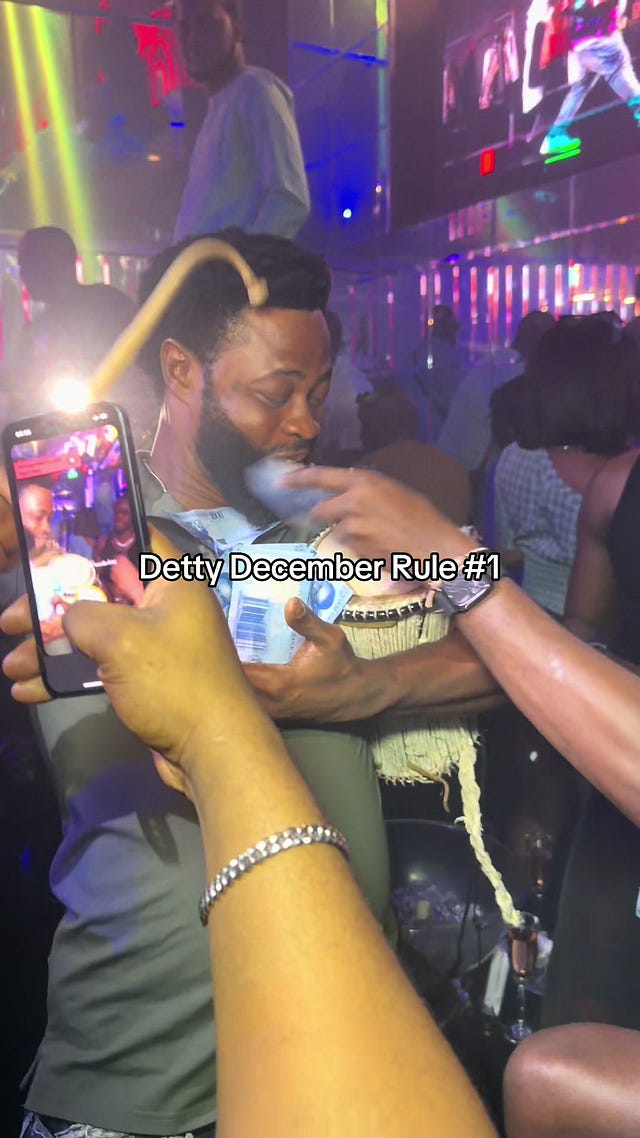
 Tiktok failed to load.
Enable 3rd party cookies or use another browser
That scale is no longer just cultural, it’s economic. “Lagos generated an estimated $71.6 million in revenue from tourism, hospitality, and entertainment during the 2024 Detty December season despite a tough economic climate,” Williamson says. At this point, Detty December stops being a vibe and starts becoming infrastructure. As she puts it: “Detty December isn’t just a campaign window, it’s a cultural moment with real economic and social weight.”
That weight inevitably draws attention from brands, and with that comes the risk of extraction, dilution and misrepresentation. “When culture generates this much value, brands can’t treat it as a backdrop to borrow from,” Williamson notes. The system is built by people: creatives, caterers, drivers, DJs, many of whom operate without long-term job security. Brand presence without genuine contribution creates friction. It’s the tension of wanting proximity to culture without taking responsibility for sustaining it.
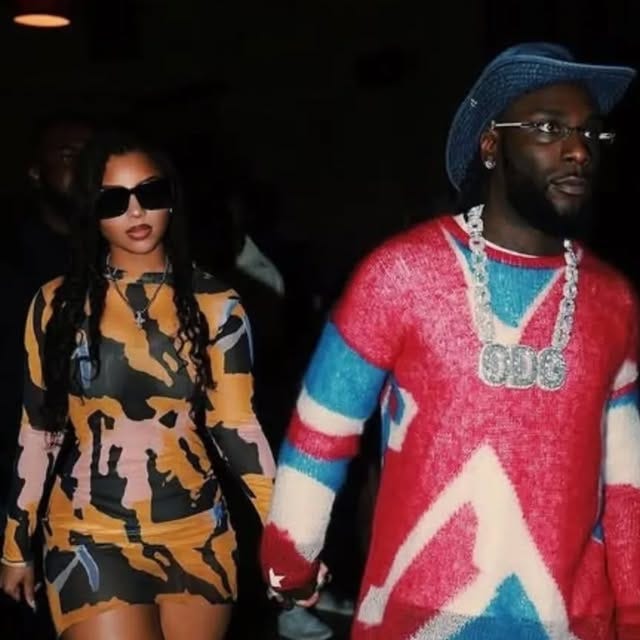
From inside the city, the shift is increasingly visible. “Detty December is a homecoming, it’s the best (and worst) of Lagos on steroids,” says Lagos-based culture writer and researcher Desmond Vincent. But it no longer runs purely on community instinct. “Every year, it starts earlier and earlier… This year, you can tell there is a whole ‘Detty December’ industry,” he says. Spontaneity has been replaced by preparation. “Now there is a Detty December look, everyone writes a (how to) guide, everyone makes a calendar,” Vincent adds.
Yet this organisation hasn’t translated into meaningful brand participation. According to Vincent, no brand has managed to get it right yet. The reason is simple: “No one does Detty December like Nigerians and their organic storytelling.” Brands need to stop treating it as a gimmick. “Don’t tell us or try to attach yourself to it… Don’t hype yourself or brand yourself with ‘Detty December’,” he says.
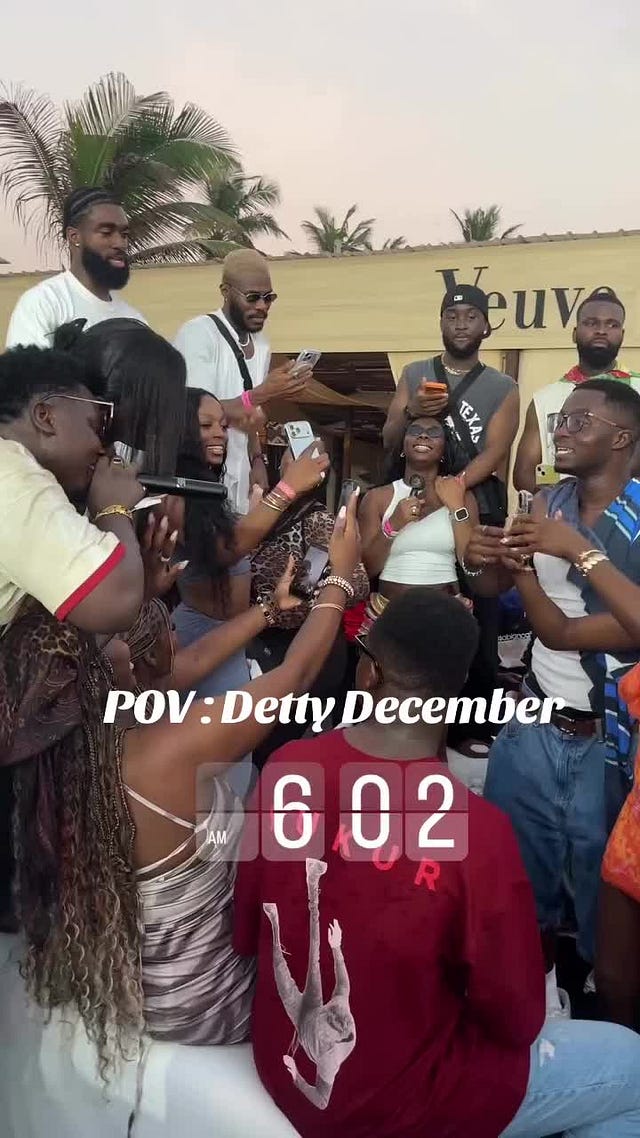 Tiktok failed to load.
Enable 3rd party cookies or use another browser
As more brands enter the ecosystem, some feel the energy flatten. “Detty December in Lagos feels different this year. It’s lost some of its grassroots energy,” says strategist Arenike Adebajo. “As more brands and large organisations join in, the vibe is less spontaneous and more curated and commercial.” The impact isn’t abstract. “Conspicuous consumption by IJGBs (slang for I Just Got Back) isn’t a great look in the midst of an economic crisis,” she adds. Her advice is clear: think local. “Lagos is full of cultural connectors who established communities: let them take the lead rather than starting initiatives from scratch.”
At the edges, youth culture is already moving. Lagos-based Editor-in-Chief at More Branches Media, Nasir Ahmed Achile, points to nightlife as a signal rather than a trend. “Raves are one of the biggest cultural statements in Lagos’ nightlife.” In a city where status has long been expressed through visible success and luxury, their rise signals a shift in what matters. “Nigerian youth are demonstrating preference for experiences, community and authenticity over status and exclusivity,” pointing to a redefinition of value; from being seen to being part of something shared.
 Tiktok failed to load.
Enable 3rd party cookies or use another browser
Detty December is no longer something that simply happens. It produces value, attracts power, and reveals fault lines. As Williamson puts it, once culture reaches this scale, “the question becomes not whether [brands] show up, but how.” For now, Detty December is setting its own terms, growing in cultural significance year on year. Any brand hoping to participate meaningfully must start by recognising who makes it what it is in the first place, and invest in the communities that sustain it.
A big thank you to Kandace Williamson, Desmond Vincent, Arenike Adebajo and Nasir Ahmed Achile for sharing their thoughts and insights on the topic.