

Double double
On twins, clones, and the copy-paste self: why culture’s obsession with the double tells us everything about modern identity.


We’re all obsessed with ourselves and more broadly, society obsessed with concept of identity. Man has pondered over identity for millennia but today we’re not just exploring a singular identity, but in duplicate. From twins and clones on screen to lookalikes and digital doubles, culture is fixated on the idea of the self, copied, split, and performed. In an era of hyper-visibility and digital fragmentation, the double has become a metaphor and a survival mechanism
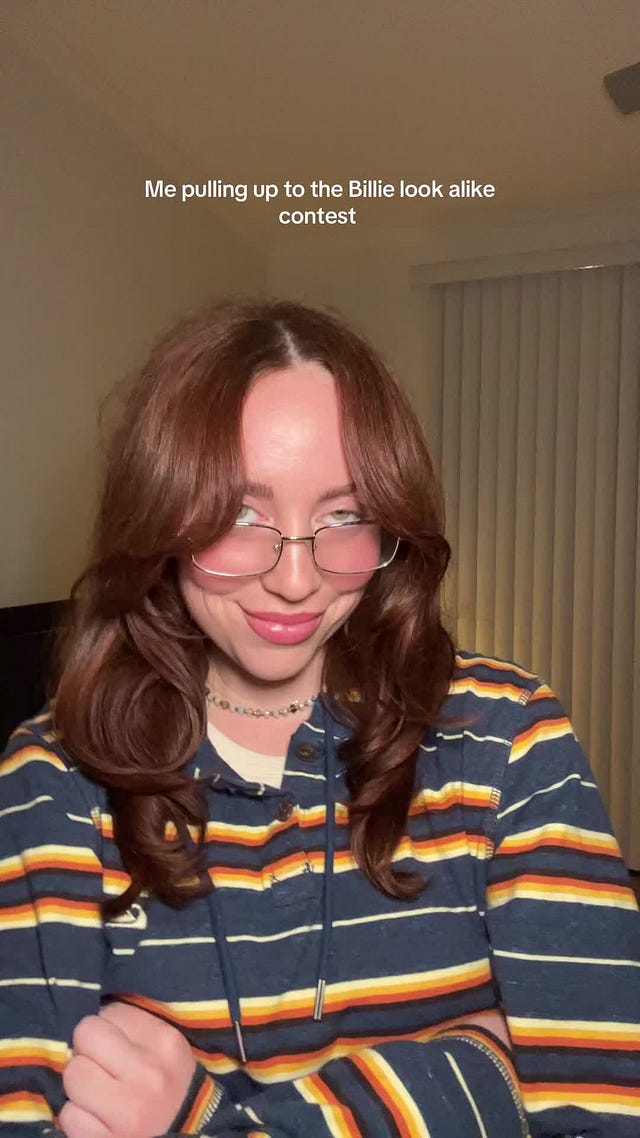
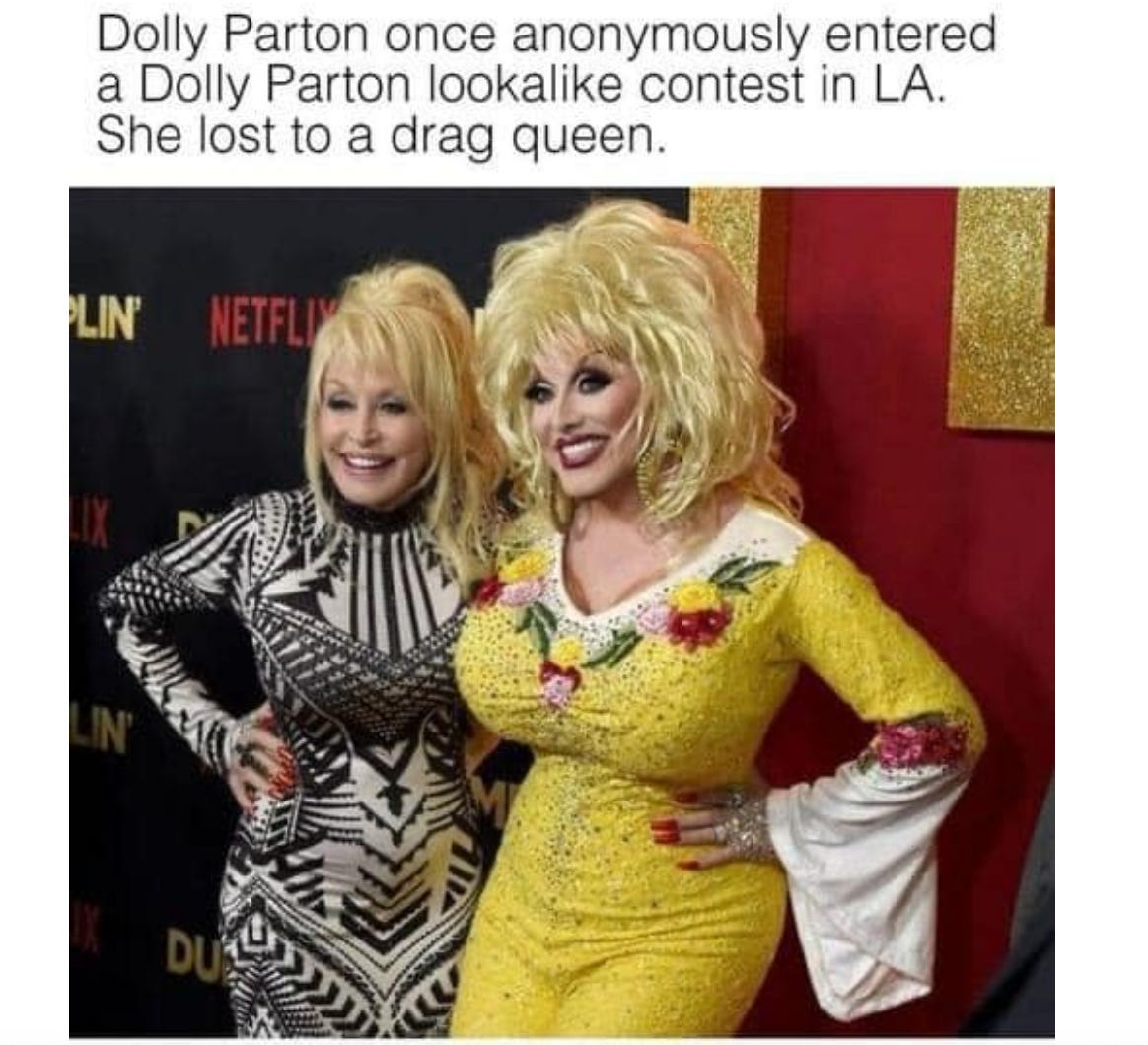
2024 was the year of the doppelgänger. Lookalike contests cropped up from London to New York, with open calls for Timothée Chalamet, Harry Styles, Paul Mescal, Zendaya lookalikes - you name it, there was probably a contest to find their double (to varying degrees of success).
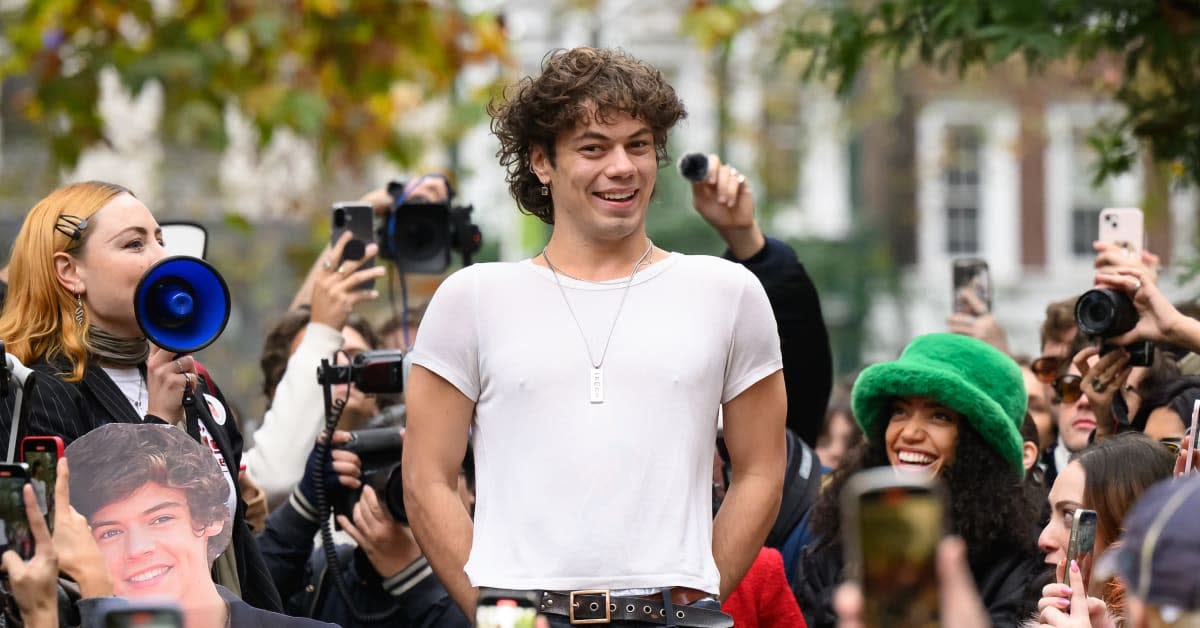
But last year’s celebrity lookalike phenomenon was more than just a fleeting TikTok trend, it felt like something bigger, a cultural moment happening in real life, with crowds physically gathering to see it play out. There was something joyful about how it got people together, like the chat room had finally spilled out into the real world. It was (an albeit silly) metaphorical mirror held up to our obsession with fame and identity, but in this instance, you don’t even need to be famous, just look like someone famous. There’s something absurd (and deeply symptomatic of our times) about earning your five minutes of fame simply because you look slightly like Harry Styles. It speaks to a culture so consumed by celebrity that proximity, or even resemblance, is enough. You don’t need to be anyone, just look like someone who is. For a moment, the line between celebrity and everyday life blurred, giving us mere mortals the chance to perform fame, not for clout, but just for fun.
 Tiktok failed to load.
Enable 3rd party cookies or use another browser
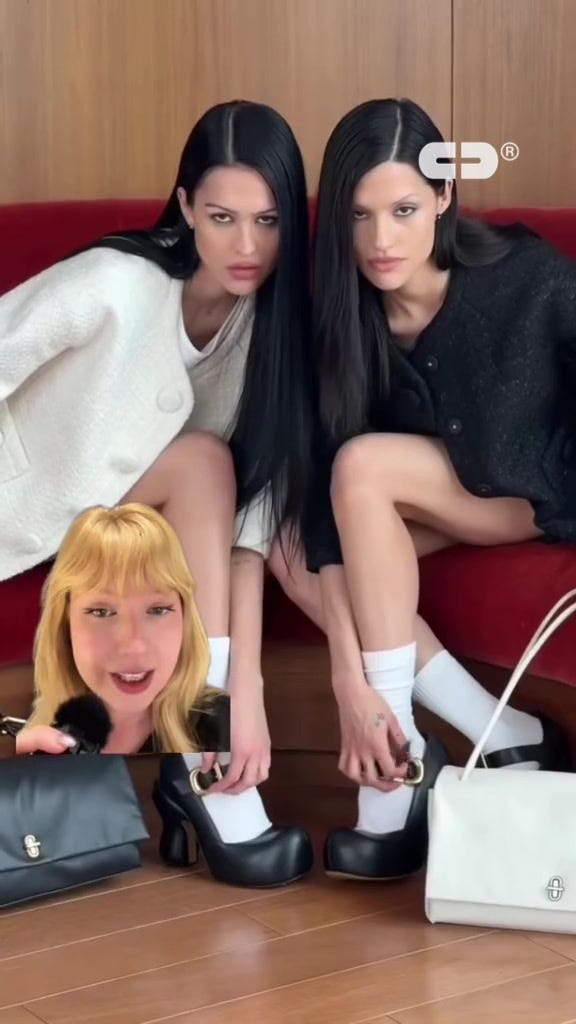
Recently, Marc Jacobs cast the internet’s favourite lookalikes, Gabriette and Amelia Gray, in a campaign that leaned fully into the discourse. Jacobs has always had a knack for irony, and this casting felt perfectly aligned with the brand’s wry, self-aware aesthetic. The two women are frequently mistaken for one another, with Gray accused of copying Gabriette’s style and aesthetic. By placing them side by side, brushing their teeth together and laughing at the cinema, the campaign turned online gossip into commentary. It’s a knowing nod to the blurred identities and copy-your-homework culture of the influencer age. But it also It reveals something deeper about the importance we place on originality, it forces us consider who came first, and does anyone even care anymore? In a culture built on mixing and remixing, our relationship with imitation feels like its becoming increasingly unstable, where the line between inspiration and replication is not just thin, but almost meaningless.
 Tiktok failed to load.
Enable 3rd party cookies or use another browser
In a piece for Dazed, writer Laura Pitcher suggests that having a doppelgänger has become a new form of social capital. You can buy clothes, art, and taste to signal cultural cachet but you can’t buy a doppelgänger. It’s rare, unmanufacturable, and that scarcity makes it powerful. Having someone who looks just like you sets you apart, whether you want it to or not. In a world where so much can be curated through wealth and cultural fluency, the things you can’t control; the strange coincidences, the unearned resemblances, suddenly feel meaningful. When individuals or brands seek connection today they’re seeking something that feels both unique and communal. That’s what makes doppelgänger contests so compelling: they let you stand out while being part of something bigger, a cultural in-joke you’re momentarily inside.
From Fight Club to Black Swan and Dead Ringers, twins, clones, and doubles in cinema have long symbolised the fractured self. Today, they speak to something even more urgent: the pressure to optimise, multiply, and manage competing versions of identity. We live in a culture that rewards constant self-improvement, demands performance across multiple platforms, blurring the line between who we are and who we project.
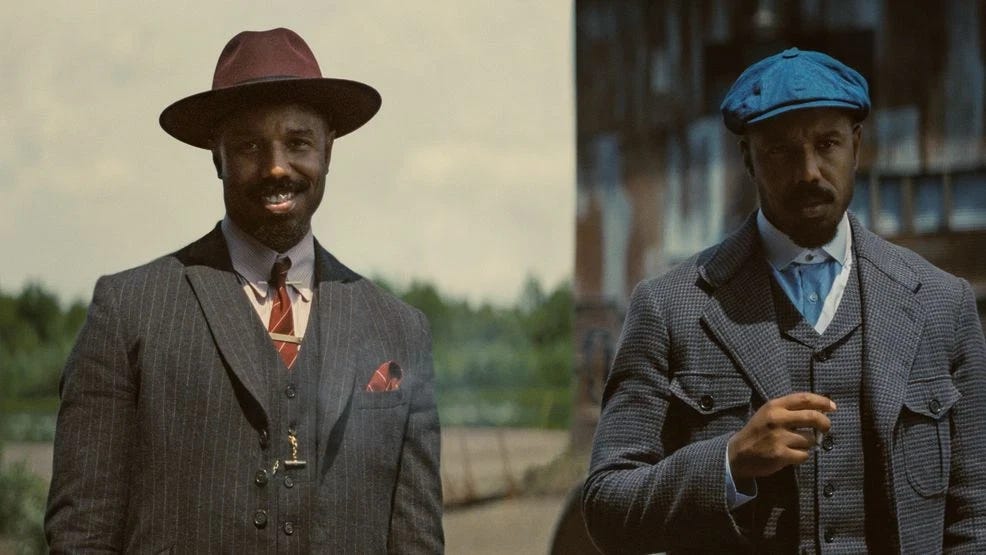
In Sinners, written and directed by Ryan Coogler, this pressure is seen through the twins Smoke and Stack, both played by Michael B. Jordan (what’s better than one Michael B. Jordan in a film!?). Though they have lived the same lives, they move through the world in different ways; one is quiet and emotionally restrained, the other loud and expressive. The twin motif becomes a way of unpacking how masculinity is policed and performed, especially in a Black Southern context. Stack, the more emotionally expressive twin is shown in a surprisingly tender relationship with a woman, grieving their lost baby and trying to navigate that loss. His vulnerability disrupts familiar tropes, suggesting that masculinity can include softness, grief, and care. Smoke is quieter, more guarded, and emotionally repressed. He represents a kind of masculinity that is often valorised in traditional or Southern contexts: the protector, the stoic, the man who bears pain silently and prioritises honour over vulnerability. But what’s striking is that these two emotional modes - sensitivity and stoicism - are portrayed as mutually exclusive, split across two bodies. It suggests that masculinity, as it’s often depicted, doesn’t allow for emotional contradiction to exist within a single self. The only way to explore the full spectrum of male experience is to fracture it, to assign different traits to different characters, as if one man couldn’t possibly be both soft and strong, tender and guarded, all at once.
It’s not about a classic good twin/bad twin dynamic, but rather two versions of the self negotiating survival, legacy, and emotional visibility in a system that often suppresses nuance. In this way, the film mirrors our cultural moment, where identity isn’t fixed but split, managed, and shaped by the roles we’re expected to play.
This same tension plays out in The Substance, where Demi Moore’s character creates a younger, more desirable clone of herself, one that quickly spirals out of control. While Sinners reflects the internal multiplicity we carry, The Substance literalises the fantasy of optimisation, and the horror of what happens when that version takes over. Both films ask: what does it cost to split yourself in order to survive and who gets to stay in control?
Culturally, these narratives resonate because we’re living in an era of self-replication. We’re expected to be everything, everywhere, all at once, constantly performing, improving, and presenting multiple versions of ourselves across platforms. The double becomes a vessel for our aspirations and our anxieties. It's the version of us we wish we could be, fear we already are, or worry might replace us. The rise of clones and twins on screen reflects a broader unease about selfhood in the age of endless reinvention.
And reinvention has always found a natural home in music. While pop icons like Madonna and Lady Gaga built careers on bold, visible transformation, artists like Burial take a different route, cultivating mystery, anonymity, and absence. Where mainstream reinvention often hinges on spectacle and aesthetic control, Burial’s shape-shifting is almost anti-identity: less about presenting a new self, more about withholding one altogether.
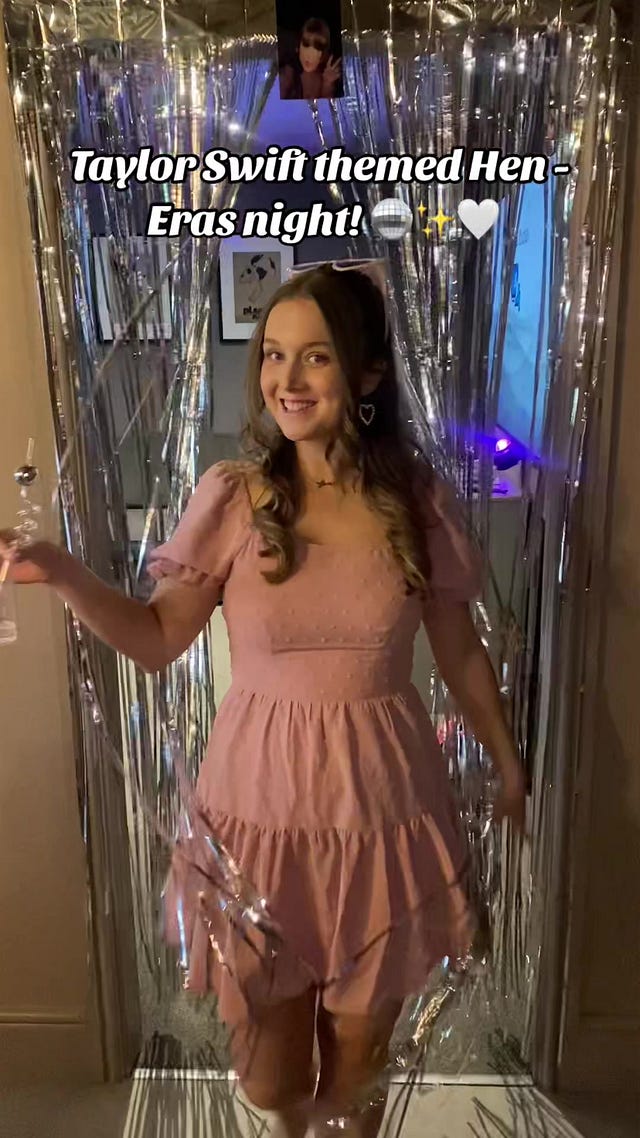
Taylor Swift’s Eras tour was a masterclass in identity compartmentalisation, each “era” a distinct aesthetic, emotional register, and brand universe. She hasn’t just evolved over time, she’s categorised herself in retrospect, giving fans a neat framework to navigate a messy, nonlinear career. It all speaks to a culture where identity is no longer fixed; it’s modular. These artists aren’t being “inauthentic”; they’re just fluent in the language of reinvention. In an industry (and a culture) that demands constant relevance, the ability to multiply yourself and create your own twin has become a necessity.
 Tiktok failed to load.
Enable 3rd party cookies or use another browser
But this identity split isn’t limited to celebrities or cinema, it plays out in everyday life, too. Our physical and digital selves are increasingly out of sync, and at times, it can feel like our online presence carries more weight than who we are offline. We get jobs on LinkedIn, sell ourselves on Instagram, crack jokes on TikTok, and find love (or try to) on Hinge. We’re constantly straddling the digital and physical, moving between different versions of ourselves with ease. Attention, reality, even selfhood feels split. In that context, it’s no surprise the idea of a “mirror self” has become more culturally resonant.
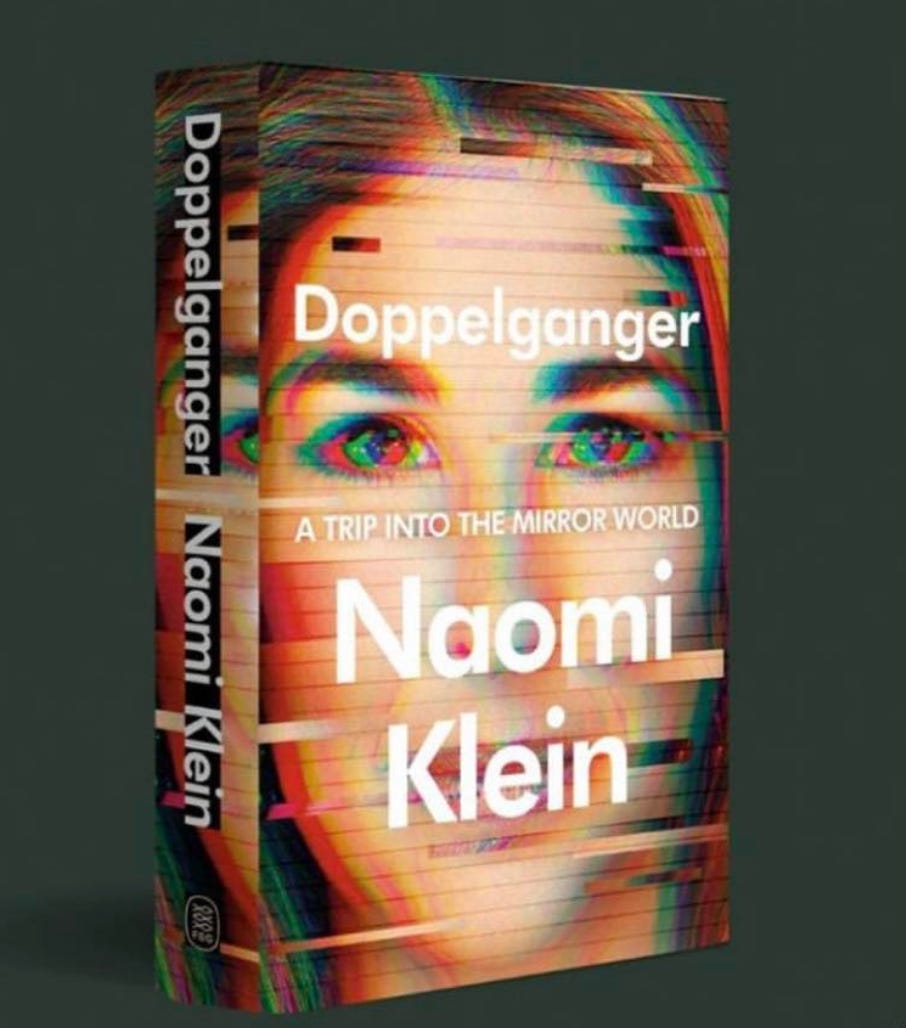
In her 2023 book Doppelganger, writer and activist Naomi Klein explores the distortions and absurdities of digital life and how we’re experiencing that madness on a deeply personal level. The book begins with Klein outlining her experience of being repeatedly being mistaken for Naomi Wolf, a public figure whose politics are wildly different from her own. What starts as a case of mistaken identity becomes a lens for something bigger: a meditation on mirrored selves in politics, culture, and media. The book is a sharp commentary on how the digital world has eroded the boundaries between the self and the other. In an age of algorithmic sorting and digital mimicry, the self is not something fixed, it’s something duplicated, distorted, and constantly mirrored back at us. The doppelgänger, in this sense, becomes a metaphor for how identity is co-opted and weaponised, how we’re constantly up against versions of ourselves we didn’t author, shaped by the algorithms and echo chambers we live in.
“This is what happens when we allow so many of our previously private actions to be enclosed by corporate tech platforms whose founders said they were about connecting us but were always about extracting from us.” - Naomi Klein
In The Second Self, theorist Sherry Turkle explores the computer not just as a tool, but as an intimate part of our social and psychological lives. She draws a clear distinction between who we are online and who we are offline. We perform in both spaces, just differently. On the internet, we become brands unto ourselves. Our profiles are products, carefully edited to signal value. This creates room for play, but also friction. Identity becomes something swappable, modular, increasingly performative.
Turkle describes technology as a catalyst, not just shaping what we do, but how we think and present ourselves online. And today, we think in personal brand strategy. It’s the Diary of a CEO-ification of the professional self with all the hot takes and controlled vulnerability. We might have stopped curating FOMO-inducing Instagram feeds, but our digital twins haven’t disappeared, they’ve just migrated platforms.

The digital twin is no longer an uncanny shadow, it’s a flexible double that morphs with every trend and need state. Everything is a brand now, and our digital selves grow more dominant by the day. Brands that lean into this, tapping into chronically online aesthetics and behaviours, are often rewarded with cultural relevance. But in a world where our digital twins are as visible as our physical ones, maybe the more radical move is to serve our real lives. To create for the self that isn’t optimised, filtered, or algorithmically curated.